Where you'll see it
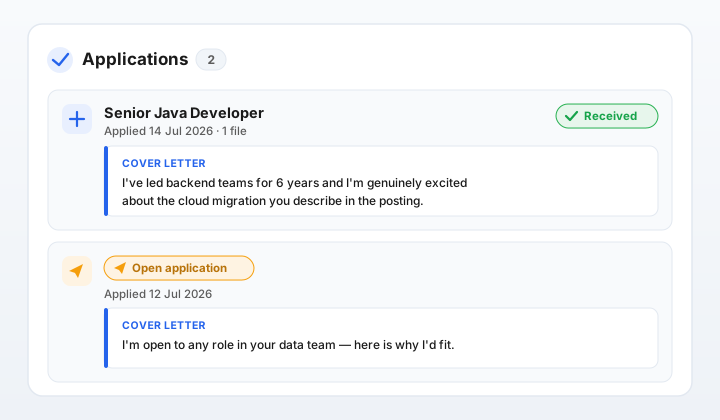
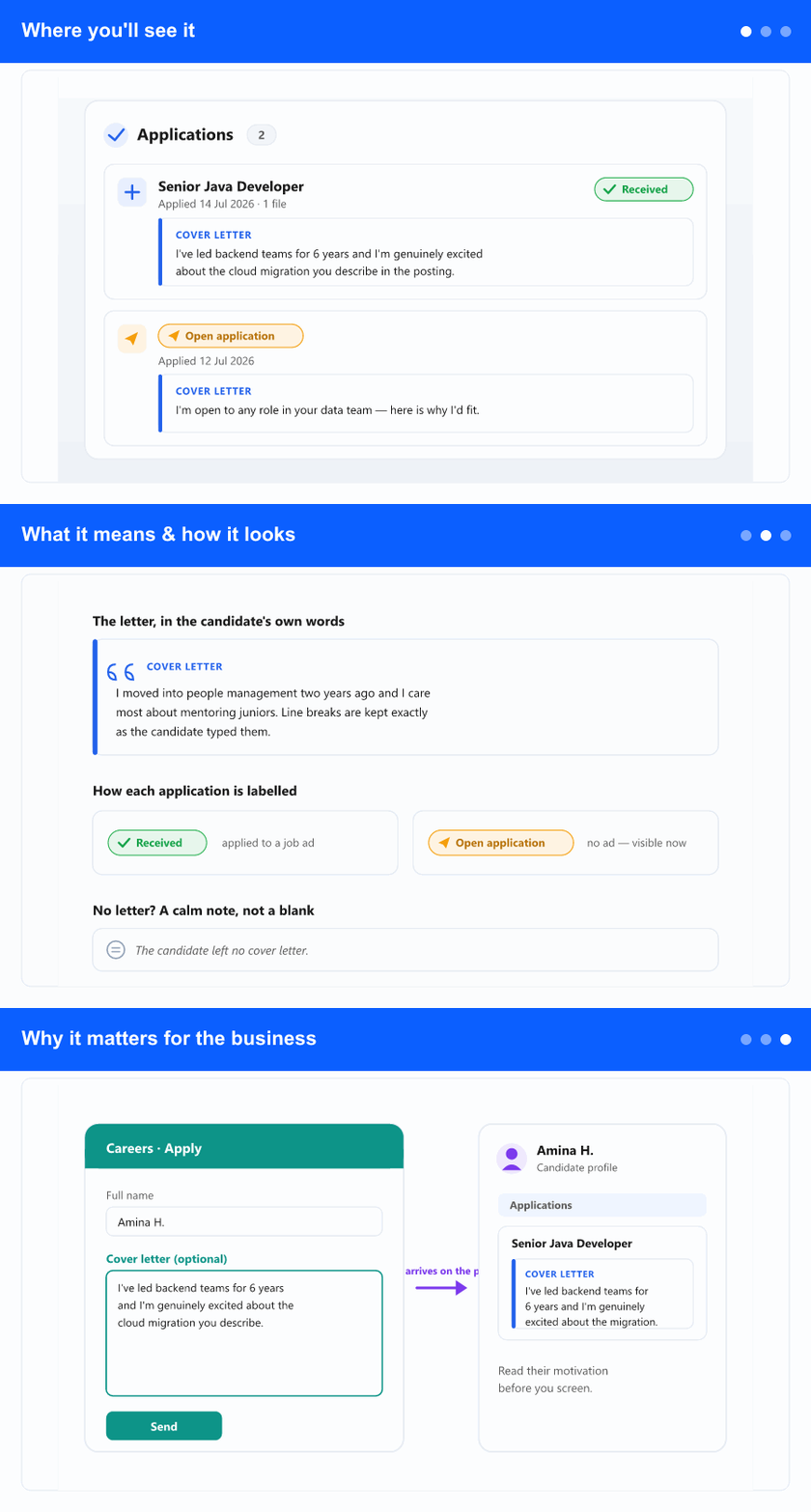
Open a candidate's profile in the ATS area and look at the Applications card—the same place you already review who applied and set your HR recommendation. Under each application you now see the cover letter the person wrote when they applied, shown as a quiet quote block.
Nothing extra to switch on: if a letter exists it's simply there, read-only, exactly as the candidate typed it.
What it means & how it looks
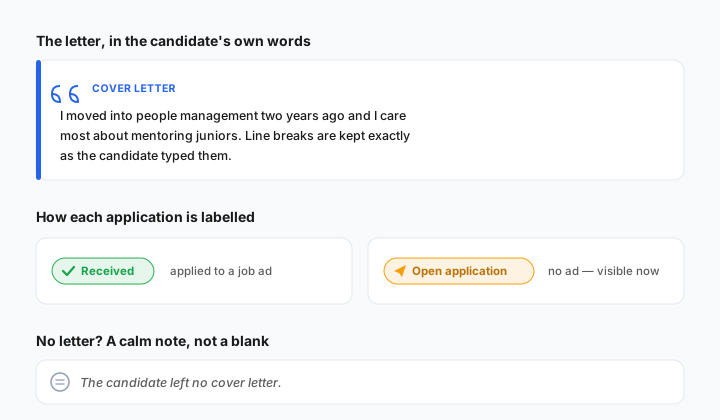
The letter reads like a short quote—line breaks kept as written—so a longer message stays easy to scan. Each application is clearly labelled: a Received tag for people who applied to a specific job ad, and a distinct Open application tag for those who applied without one. If someone left no letter, you see a small, calm note instead of a blank space, so you never wonder whether something failed to load.
On the public careers form itself, the field is now clearly named Cover letter (optional) in every language—so candidates understand what to write, and it stays optional.
Why it matters for the business
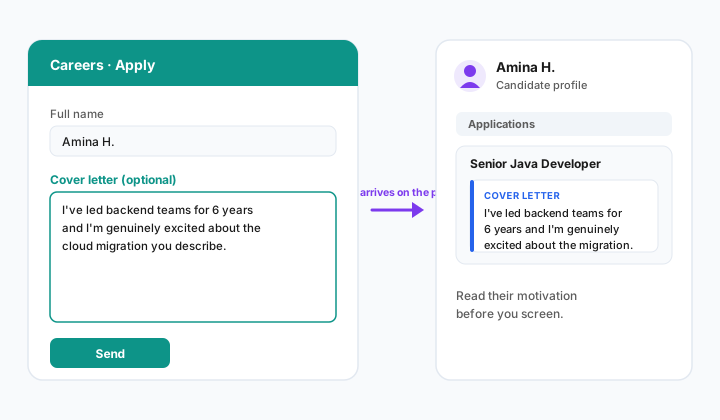
A cover letter is often the first sign of genuine interest and fit—why this person wants this role, not just any job. Until now that message was collected but never surfaced to the people doing the hiring. Reading it on the profile gives you context before you screen, helps you shortlist with more confidence, and makes it easier to prepare for an interview.
Just as important, general applications—people keen to work with you even when no ad fits—are now visible on the profile instead of being lost. Interested candidates are never quietly dropped, and your team can follow up when a suitable role opens.